

Challenges and Opportunities of Renewable Energy Technologies in Urban Communities
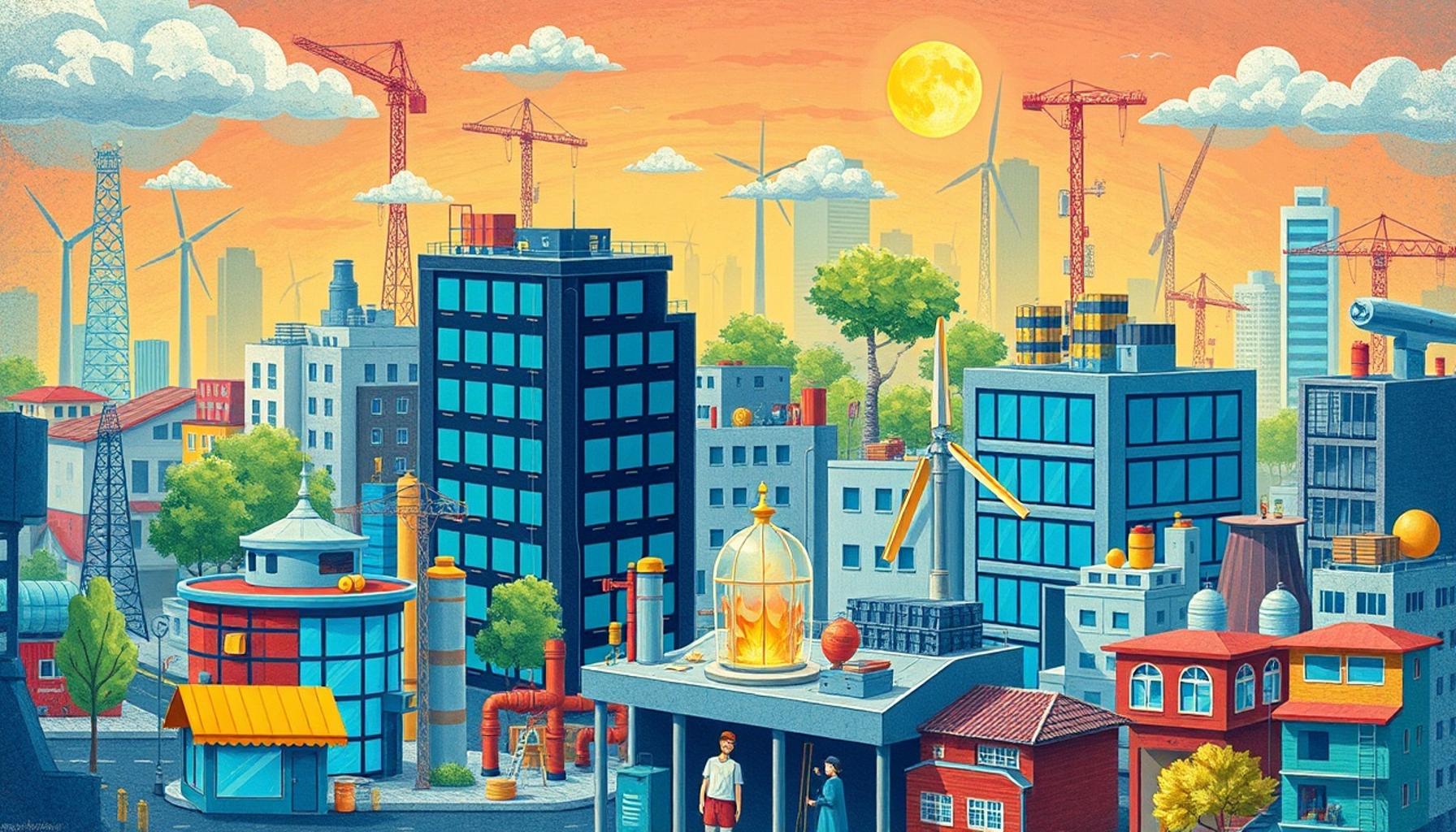
Addressing Energy Demands with Renewable Technologies
Urban communities are increasingly facing the dual challenge of managing high energy demands while grappling with environmental concerns. The rise of renewable energy technologies presents a transformative opportunity for these areas to reduce their carbon footprint. However, integrating these technologies is not without its difficulties. Understanding both the challenges and opportunities associated with renewable energy usage in urban areas is vital for sustainable progression.
Key Challenges in Urban Renewable Energy Implementation
When integrating renewable energy sources, several key challenges emerge:
- Infrastructure Limitations: Existing urban infrastructure may require significant upgrades to accommodate renewable technologies. For example, cities like New York are exploring options to retrofit older buildings to support solar panels, which can be costly and time-consuming.
- Space Constraints: Limited space in cities makes it harder to install large solar panels or wind turbines. Urban areas tend to consist of dense constructions with high-rise buildings, leaving minimal rooftop space available for solar installations. Creative solutions such as solar shingles or building-integrated photovoltaics (BIPV) are being adopted, but they can also pose challenges in terms of efficiency and cost.
- Financial Barriers: The initial costs of renewable installations can deter investment, despite the promise of long-term savings. Many communities view solar panel installation costs as a barrier to entry. For instance, a typical solar panel system can cost upwards of $15,000 before any tax credits or rebates, making upfront investments daunting for homeowners or small businesses.
Unique Opportunities for Renewable Energy in Urban Areas
Despite these challenges, urban environments also offer unique opportunities for renewable energy implementation, such as:
- Diverse Energy Mix: Urban centers can harness a combination of solar, wind, and bioenergy. Cities like San Diego and Denver are successfully utilizing solar energy alongside wind power harvested from nearby rural areas, creating a balanced energy portfolio that enhances reliability and sustainability.
- Increased Awareness: Metropolitan populations are often more aware of environmental issues, prompting support for sustainable practices. For example, community initiatives in places like Portland or Seattle have rallied local citizens to advocate for green energy policies and practices, creating grassroots momentum for change.
- Policy Support: Many cities offer incentives, such as tax rebates and grants, to encourage renewable projects. In California, programs like the California Solar Initiative provide financial incentives for renewable energy production, making it easier for both residential and commercial buildings to transition to cleaner energy sources.
Understanding these challenges and opportunities is important not just for urban planners and policymakers but for citizens as well. By addressing the barriers and embracing the potential of renewable technologies, communities can move toward a more sustainable and resilient future. In doing so, urban populations will not only help mitigate climate change but also foster economic growth and enhance the quality of urban life.
DIVE DEEPER: Click here to uncover the fintech revolution
Understanding the Urban Energy Landscape
Urban communities are at the forefront of the transition to renewable energy, yet the path is often filled with hurdles that need to be navigated effectively. As cities expand and populations grow, the demand for energy escalates, putting a strain on traditional energy sources. This prompts the need for a swift shift towards renewable technologies that can provide reliable and sustainable energy solutions. However, the implementation of renewable energy in urban settings faces several distinct challenges, while also unveiling opportunities that can lead to a brighter energy future.
Key Challenges of Urban Renewable Energy Technologies
The implementation of renewable energy technologies in urban areas is not without its complications. Here’s a closer look at some of the most pressing challenges:
- Regulatory Hurdles: One of the most significant barriers to deploying renewable energy systems is often local regulations and zoning laws. Many cities have outdated policies that may not accommodate modern solar or wind technologies. This can slow down the approval process for new installations, making it more difficult for residents and businesses eager to invest in renewable solutions.
- Community Acceptance: While awareness of environmental issues is increasing, there can still be resistance among communities regarding new technologies. For example, some residents may oppose the installation of wind turbines due to concerns about noise or aesthetics. Engaging with the community and educating them about the benefits of renewable energy is essential in overcoming these apprehensions.
- Technological Integration: Incorporating renewable technologies into the existing energy grid presents a challenge. Urban areas often depend on a centralized power system, which may struggle to accommodate decentralized energy sources, such as solar rooftops or small-scale wind turbines. This necessitates significant advancements in energy storage technologies and grid management to ensure reliability.
Emerging Opportunities in Urban Renewable Energy
Despite these challenges, urban communities are poised to reap numerous rewards from adopting renewable energy technologies:
- Job Creation: The renewable energy sector has proven to be a powerful engine for job creation. Cities that invest in renewable technologies not only provide new employment opportunities in installation, maintenance, and manufacturing but also stimulate local economies. For instance, the growth of solar panel manufacturing in cities like San Jose has significantly boosted local employment rates.
- Resilience Through Decentralization: Urban areas that adopt decentralized renewable energy sources can improve their energy resilience. For example, neighborhoods equipped with solar panels and battery storage can generate their own electricity, reducing dependence on the centralized grid. This decentralization can prove especially beneficial during power outages or emergencies.
- Community Participation: Implementing renewable energy projects often invites community involvement, fostering a sense of ownership and responsibility. Initiatives, such as community solar gardens, allow residents to invest in and benefit from renewable energy projects collectively, encouraging further investment in sustainable practices.
By recognizing and addressing these challenges while capitalizing on the opportunities, urban communities can pave the way for a sustainable energy future that not only meets growing demands but also contributes to environmental stewardship and economic vitality.
DISCOVER MORE: Click here to delve deeper
Innovative Solutions and Adaptation in Urban Settings
As urban communities face the challenges associated with renewable energy technologies, they are also uniquely positioned to leverage innovative solutions. The integration of renewable energy in cities is not only about overcoming obstacles but also about embracing new ideas and adapting existing systems to explore uncharted territories in sustainability.
Technological Innovation and Research
One of the ways urban areas can tackle the difficulties of deploying renewable energy technologies is through technological innovation. Research institutions and tech companies are increasingly collaborating with local governments to advance methods for integrating renewable sources. For instance, cities like Boston are exploring energy-efficient building designs, such as passive house standards, which minimize energy consumption while maximizing comfort. Such advancements can make renewable installations more feasible and efficient.
Sustainable Infrastructure Development
Urban areas often offer a unique opportunity to rethink traditional infrastructure by focusing on sustainable development practices. For example, green roofs and urban gardens not only beautify cities but also promote insulation and reduce energy demands. These practices can be integrated with renewable energy technologies, leading to a multi-faceted approach that supports energy generation while addressing urban heat islands and stormwater management.
Financial Models and Investment Strategies
Financing renewable energy projects can be particularly challenging in urban environments, where competition for funding is fierce. However, innovative financial models such as Power Purchase Agreements (PPAs), community bonds, and crowdfunding platforms provide opportunities for cities to secure capital for renewable projects. For instance, cities like San Diego have partnered with private firms to fund solar installations on public buildings without upfront costs, showcasing a viable path for others to follow.
Policy Reforms and Incentives
Adapting local policies and creating incentives for renewable energy adoption can significantly facilitate progress. By formulating incentive programs for homeowners and businesses, urban leaders can increase participation in renewable energy initiatives. Tax credits, rebates, and grants can motivate residents to invest in solar panels or energy-efficient upgrades. Furthermore, cities like Minneapolis have implemented streamlined permitting processes, reducing the bureaucratic delays associated with renewable energy installations.
Collaboration with Stakeholders
Another opportunity for urban communities lies in fostering collaboration among various stakeholders. This includes partnerships among government entities, local businesses, non-profits, and citizens. For instance, the Los Angeles Sustainability Program brings diverse groups together to share resources, knowledge, and best practices in implementing sustainable energy solutions. Collaborative efforts can unlock new avenues for investment and innovation that may have been previously overlooked.
Public Awareness and Education Initiatives
Educating the public on the benefits of renewable energy and sustainability practices is vital for their acceptance and integration into daily life. Urban communities can implement education campaigns in schools, community centers, and through social media, ensuring that residents are informed about their options. Initiatives like the Solar Schools Program in Texas enable students to learn about solar energy through hands-on experiences, helping foster a generation better equipped to embrace renewable solutions.
By creatively addressing the challenges and harnessing opportunities, urban communities across the United States can lead the charge in the transition to renewable energy, ultimately resulting in a sustainable energy future that benefits everyone.
DISCOVER MORE: Click here to learn how AI is changing data analysis
Conclusion
In conclusion, the journey toward integrating renewable energy technologies in urban communities is filled with both challenges and significant opportunities. As cities grapple with issues such as limited space, financial constraints, and regulatory hurdles, they also have the unique potential to lead the charge toward a sustainable future. By implementing innovative solutions, fostering collaboration among stakeholders, and investing in education and public awareness, urban centers can turn these challenges into stepping stones for progress.
Moreover, through the development of sustainable infrastructure and the adoption of modern financial models, cities can create pathways to securing the necessary funds for renewable projects. Cities like San Diego and Minneapolis have already showcased how collaboration with private enterprises and adaptive policies can facilitate the smooth implementation of renewable technologies. Moving forward, it is essential for urban leaders to prioritize reforms that incentivize community participation and promote in-depth research on local energy needs.
Ultimately, the transition to renewable energy in urban environments is not just a technical endeavor; it is a holistic approach that encompasses economic, social, and environmental dimensions. By embracing this transformation, urban communities can enhance their resilience, improve public health, and contribute to combating climate change, setting an inspiring example for others to follow. With a shared commitment to innovation and sustainability, the future of urban energy systems can be bright and promising, benefiting all residents and the planet as a whole.

Linda Carter
Linda Carter is a writer and expert known for producing clear, engaging, and easy-to-understand content. With solid experience guiding people in achieving their goals, she shares valuable insights and practical guidance. Her mission is to support readers in making informed choices and achieving significant progress.


