
Digital Transformation and Sustainability: How Technology Can Help with the Climate Crisis
Understanding the Role of Technology in Sustainability
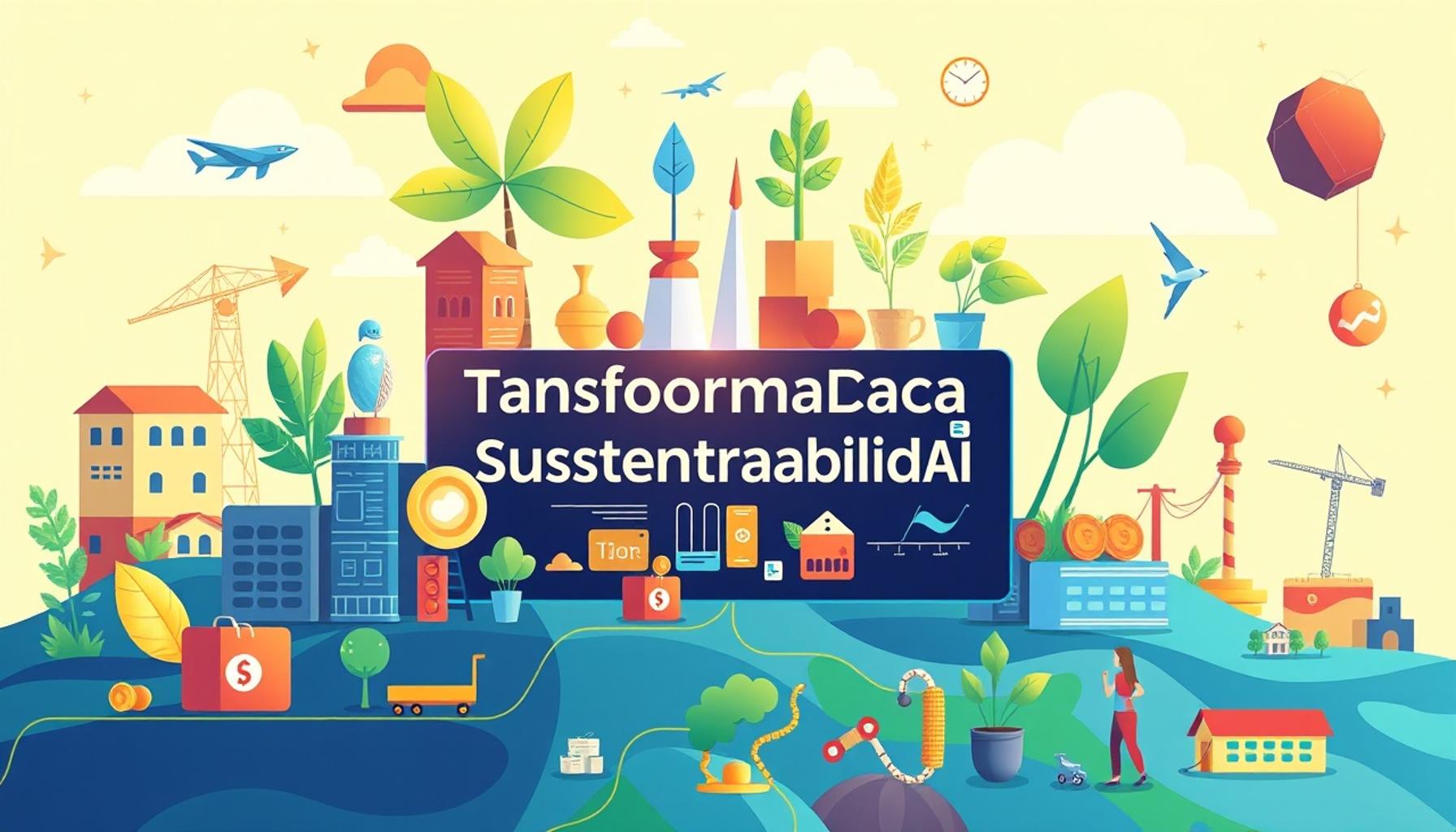
The climate crisis has emerged as one of the most pressing issues of our time, affecting ecosystems, economies, and communities around the globe. While the challenges are formidable, we also have the chance to harness innovation for meaningful solutions. In this context, digital transformation becomes a powerful ally in the quest for sustainability, offering the tools and insights needed to create a healthier planet.
Many organizations are already leveraging technology to innovate and adopt environmentally friendly practices. Here are some notable examples:
- Smart Energy Solutions: The Internet of Things (IoT) enables smart meters and devices that track energy consumption in real-time, allowing users to identify patterns and reduce waste. For instance, smart thermostats can learn your heating and cooling preferences and adjust automatically, often leading to energy savings of up to 15%. This not only lowers utility bills but also reduces the reliance on fossil fuels.
- Telecommuting Tools: The rise of video conferencing platforms and collaboration software has made remote work increasingly feasible. By allowing employees to work from home, we can drastically cut down on transportation emissions. According to studies, if everyone who could work remotely did so half of the time, it could lead to a reduction of 54 million tons of greenhouse gas emissions annually in the United States alone.
- Data Analytics: Using big data, companies can streamline their supply chains by predicting demands and minimizing overproduction. For example, retail giants like Walmart use data analytics to optimize inventory levels, which not only reduces waste but also enhances sustainability by reducing the carbon footprint associated with manufacturing, storage, and shipping processes.
These technological advancements help achieve a range of sustainability goals. Beyond the immediate benefits, digital transformation enables organizations to:
- Engage in Precise Resource Management: By utilizing sensors and analytics, businesses can track resource consumption more accurately, leading to more judicious use of water, energy, and materials.
- Enhance Operational Efficiencies: Automation and improved workflow processes reduce the need for manual intervention, cutting down labor costs and energy usage in manufacturing.
- Develop New, Eco-Friendly Products: Technology facilitates R&D in greener alternatives, such as bio-based plastics or energy-efficient appliances, promoting a circular economy.
As we move through this critical decade for climate action, it is vital to acknowledge that technology serves not only as a driver of business growth but also as an essential player in environmental preservation. By embracing digital solutions, we can take significant strides toward a sustainable future, ensuring that innovation and stewardship go hand in hand.
DISCOVER MORE: Click here to learn about the impact of market innovation on consumer experiences
Leveraging Technology for Eco-Friendly Practices
The integration of technology into our daily lives has reached unprecedented levels, and its application in sustainability efforts is increasingly vital. Digital transformation empowers businesses to adopt eco-friendly practices that not only contribute to the environment but also present significant economic benefits. Understanding how these technologies can be leveraged for sustainable outcomes is crucial.
One effective way that organizations are addressing sustainability is through smart farming technologies. Traditional agriculture poses challenges such as overuse of water, excessive pesticide application, and high carbon emissions from machinery. With innovations such as precision agriculture, farmers can utilize GPS tracking, drones, and soil sensors to monitor and manage their land more effectively. For example, by applying water and nutrients only where needed, farmers can reduce water usage by up to 50%, leading to both environmental and cost benefits.
Moreover, the rise of blockchain technology offers compelling solutions for transparency and traceability in supply chains, an often overlooked aspect of sustainability. Companies can utilize blockchain to document every step of a product’s journey, from production to delivery. This level of transparency helps ensure that materials are sourced ethically and sustainably, and it builds consumer trust. For instance, coffee companies that use blockchain can trace their beans back to individual farms, reassuring customers that their purchases support environmentally-friendly practices.
Green IT initiatives also play a crucial role in enhancing sustainability across organizations. By optimizing their data centers and adopting cloud computing solutions, businesses minimize energy consumption and reduce their overall carbon footprint. A great example of this is seen in large tech corporations like Google, which has committed to operating on 100% renewable energy. This commitment not only mitigates environmental impact but can also lead to substantial long-term savings.
In addition to these technologies, artificial intelligence (AI) is emerging as a key player in sustainability efforts. AI can analyze vast quantities of data to identify inefficiencies and suggest improvements in various sectors. In urban planning, AI can help design smarter cities by optimizing traffic flows, reducing congestion, and thus cutting down air pollution. For example, cities using AI-driven traffic management systems have reported reductions in emissions by as much as 20%.
The combination of these technologies allows organizations to achieve a holistic approach to sustainability. By implementing these digital solutions, companies can:
- Reduce Waste: Advanced analytics help forecast demand and minimize overproduction.
- Lower Energy Costs: Smart infrastructure can optimize energy use during peak hours.
- Improve Material Usage: Technologies like 3D printing can reduce excess materials used in manufacturing.
As businesses increasingly recognize the practical implications of sustainability through digital transformation, it becomes clear that technology serves as a bridge to a more sustainable future. The integration of these innovative solutions not only seeks to mitigate environmental damage but can also drive long-term economic growth and resilience.
DON’T MISS OUT: Click here to discover how
Innovations Driving Sustainable Change
Beyond the technologies already discussed, other innovative solutions are making an essential contribution to sustainability, demonstrating how digital transformation can pave the way for a greener future. These advancements are crucial not only in minimizing environmental impact but also in reshaping how we engage with energy production, transportation, and consumer behavior.
One prominent area is the development of renewable energy technologies. The proliferation of solar and wind power has transformed the energy landscape, allowing homes and businesses to generate their own clean energy. Companies like Tesla are leading the way by producing solar panels and energy storage systems that enable consumers to harness the sun’s power during the day and use it when demand peaks, significantly reducing reliance on fossil fuels. Moreover, these systems can be integrated with smart grid technology, ensuring efficient distribution and use of renewable energy resources.
Electric Vehicles (EVs) are also at the frontier of digital transformation in sustainability. Advancements in battery technology and charging infrastructure are shrinking the environmental impact of transportation. EVs produce zero tailpipe emissions, and as cities expand charging networks, more consumers are opting for electric over traditional vehicles. Companies like Rivian and Lucid Motors are emerging as significant players, showcasing that sustainable transportation can also be high-performing and luxurious. Additionally, ride-sharing platforms that incorporate electric vehicles, such as Lyft and Uber, further reduce individual car reliance and contribute to lower emissions overall.
Another avenue through which technology fosters sustainability is through the use of Internet of Things (IoT) devices. Smart home technologies enable residents to monitor and manage their energy consumption efficiently. Thermostats, lighting systems, and energy monitors allow families to optimize their energy use based on real-time data, reducing costs while conserving resources. A recent study indicated that households using smart thermostats can save up to 10-15% on their heating and cooling bills, showcasing both environmental benefits and financial savings.
Moreover, large-scale implementation of IoT in industries like manufacturing is driving increased efficiency while reducing waste. Factories equipped with IoT sensors can track operating conditions and machine performance, facilitating predictive maintenance. This not only minimizes downtime but also extends equipment lifespan, reducing the need for new materials and production. An example of this can be seen in companies like Siemens, which leverage IoT to optimize processes and reduce energy consumption substantially.
Education and engagement technologies are also pivotal for promoting sustainability awareness. Organizations can use online platforms and social media to share knowledge about sustainable practices and encourage consumer participation. For instance, apps that track personal carbon footprints empower individuals to make informed choices regarding their lifestyle and consumption habits. By gamifying sustainability efforts, these applications can effectively motivate users to adopt more eco-friendly behaviors.
Through these diverse and innovative technologies, it becomes increasingly evident that digiital transformation is integral to tackling the climate crisis. From sustainable energy solutions to improved transportation and consumer engagement, technology has the potential to foster a profound transformation that aligns our societies with the principles of sustainability.
DIVE DEEPER: Click here to discover the latest innovations in finance
Conclusion
As we navigate the complexities of climate change, digital transformation emerges as a critical ally in our pursuit of sustainability. The transformative power of technology—spanning renewable energy, electric vehicles, and IoT innovations—provides practical solutions that can significantly reduce our environmental footprint. By harnessing these advancements, societies can create a more sustainable future, where clean energy and reduced emissions become the norm rather than the exception.
Moreover, the integration of education and engagement technologies serves to empower individuals to take action in their day-to-day lives. With applications that track carbon footprints and platforms that promote sustainable practices, we can mobilize collective efforts toward a greener planet. Each small step taken by consumers can lead to significant systemic change when amplified through technology.
However, it is essential to recognize that while technology offers remarkable solutions, it is a tool that needs proper guidance, support, and commitment from all sectors of society. Governments, businesses, and individuals must collaborate to create an environment where sustainable technologies can thrive. As we approach this pivotal moment, innovation combined with a shared responsibility must drive our initiatives. Embracing digital transformation is not merely about adopting new tools but embodying a culture of sustainability that prioritizes the health of our planet for generations to come.

Linda Carter
Linda Carter is a writer and expert known for producing clear, engaging, and easy-to-understand content. With solid experience guiding people in achieving their goals, she shares valuable insights and practical guidance. Her mission is to support readers in making informed choices and achieving significant progress.